Unlock the Secrets to Perfect Cranberry Sauce: Beyond the Can
Forget everything you thought you knew about store-bought cranberry sauce. The wobbly, gelatinous cylinder from a can simply can't compare to the vibrant, fresh, and deeply flavorful experience of a homemade batch. While often relegated to a holiday side dish, cranberry sauce is a culinary marvel deserving of year-round enjoyment. Its irresistible sweet-tart profile brightens any meal, from a simple breakfast parfait to a sophisticated roasted duck. But what truly elevates a good cranberry sauce to a *perfect* one? The answer lies in understanding three fundamental pillars: the delicate balance of sugar, the magic of natural pectin, and the textural genius of whole berries.
For many, homemade cranberry sauce is a cherished holiday tradition, a staple that transforms Thanksgiving or Christmas dinner. It's a testament to the idea that the simplest recipes are often the best. Once you've tasted the difference, there's truly no going back. Imagine a burst of bright, tangy flavor complementing your juicy roast turkey or a dollop adding zest to your morning yogurt. The journey to mastering this iconic condiment is surprisingly easy, and we're here to reveal the secrets that will have everyone asking for your recipe.
The Sweet Science: Balancing Sugar for Perfection
At the heart of every great cranberry sauce is sugar, and its role extends far beyond mere sweetness. Cranberries, in their raw state, are famously, almost shockingly, tart. A direct taste test will quickly confirm why simply skipping or drastically reducing sugar isn't the path to perfection. The sugar isn't just masking the tartness; it's tempering it, allowing the complex fruity notes of the cranberry to shine through, creating that beloved sweet-tart symphony.
Many home cooks are tempted to skimp on sugar for health reasons or personal preference, but this can lead to a sauce that's overwhelmingly sour and lacks balance. Think of sugar as an essential ingredient, not just an optional sweetener. It rounds out the sharp acidity, making the sauce palatable and truly enjoyable.
While granulated sugar is the classic choice, don't be afraid to experiment. Brown sugar can introduce a subtle caramel note and a richer depth of flavor, perfect for pairing with autumnal spices. For a more natural approach, maple syrup or honey can be used, though they will impart their own distinct flavors and might require slight adjustments to the liquid content. The key is to start with a standard ratio (often 1 cup of sugar to 12 ounces of cranberries and 1 cup of liquid) and then taste and adjust as the sauce cooks. Remember, the flavor of the sauce will mellow slightly as it cools, so a little tartness during cooking is often a good sign.
Pectin Power: The Natural Thickener You Don't Need to Add
One of the most remarkable qualities of cranberries is their natural abundance of pectin. This plant-based starch is the unsung hero of many jams, jellies, and, of course, cranberry sauce. As cranberries cook, their cell walls break down, releasing this pectin into the liquid. When the mixture then cools, the pectin forms a gel, naturally thickening the sauce without the need for any added cornstarch, flour, or commercial gelling agents.
This natural thickening process is why cranberry sauce is often described as "bouncing" or having a "gel-like" quality, particularly in canned varieties. For homemade sauce, understanding pectin means you can confidently cook your berries down, knowing that the desired consistency will develop as it cools. Don't be alarmed if your sauce seems a little thin while it's still hot in the pot; trust in the pectin! It will firm up considerably once it reaches room temperature and even more so after chilling in the refrigerator.
Overcooking, or conversely, not cooking long enough, can impact the final texture. Cooking too briefly might not release enough pectin, resulting in a runnier sauce. Cooking too long could lead to a very thick, almost gummy consistency. The sweet spot is typically simmering until most of the berries have burst and the liquid has slightly reduced, usually around 10-15 minutes. This allows sufficient pectin release for a beautifully textured sauce that’s neither too stiff nor too watery. Embrace the power of pectin, and you'll achieve that perfect, naturally thick consistency every time.
The Whole Berry Advantage: Texture, Flavor, and Visual Appeal
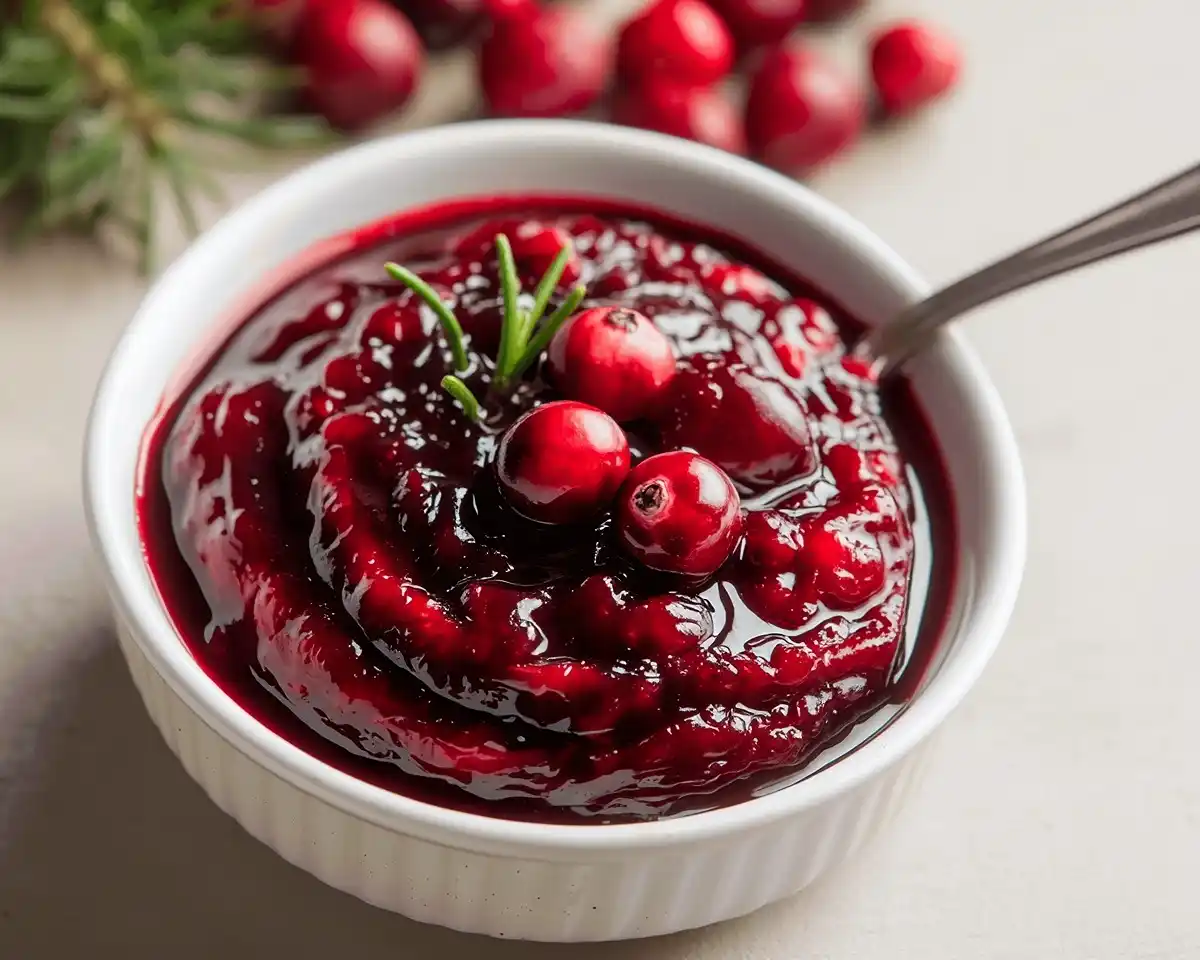
Imagine a spoon of cranberry sauce that offers not just a smooth, rich purée but also delightful bursts of fresh, juicy fruit. This textural marvel is achieved by employing a simple yet brilliant technique: reserving some whole cranberries to add towards the end of the cooking process.
While the majority of your cranberries will simmer and burst, releasing their pectin and deep flavor into the sauce, those few whole berries added later provide a crucial contrast. They remain largely intact, offering a fresh pop of pure berry flavor, a pleasant chewiness, and a vibrant color contrast that makes your sauce visually stunning. This method cleverly bridges the gap between those who adore a smooth, cooked cranberry sauce and enthusiasts of raw, relish-style preparations. Even "Team Relish" will appreciate the fresh zest these late additions bring to the party.
The jewel-like appearance of whole berries suspended in a glistening sauce is incredibly appealing, transforming your dish from a simple condiment into a work of art. This technique not only enhances the eating experience with varied textures but also ensures every bite is bursting with multifaceted cranberry goodness. It’s a small step that yields significant rewards in flavor, texture, and presentation, proving that sometimes, the best secrets are the simplest.
Elevate Your Cranberry Sauce: Beyond the Basics
Once you've mastered the foundational elements of sugar, pectin, and whole berries, the world of cranberry sauce opens up to endless possibilities for customization and enhancement.
*
Aromatic Enhancements: While a classic cranberry sauce is delightful, a few simple additions can elevate its complexity. Consider infusing your sauce with a cinnamon stick, a few whole cloves, a slice of fresh ginger, or a star anise pod during cooking. These spices add warmth and depth, perfect for holiday gatherings. Just remember to remove whole spices before serving.
*
Citrus Zing: A splash of fresh orange juice or a few strips of orange zest cooked with the cranberries can brighten the flavor profile and add another layer of acidity and aroma, complementing the cranberries beautifully. Lemon zest or a squeeze of lemon juice can also achieve a similar vibrant effect.
*
A Touch of Sophistication: For an adult twist, a splash of spirits like Grand Marnier, Cointreau, or a good port wine added at the end of cooking can introduce a sophisticated depth that pairs exceptionally well with rich meats.
*
The Unsung Heroes: Salt and Pepper: Don't underestimate the power of a tiny pinch of salt and a grind of fresh black pepper. These seasonings are not for making the sauce salty or spicy, but rather to help "open up" and balance the sweet and sour notes, adding a subtle dimension that makes the flavors sing.
*
Make-Ahead Magic: One of the best qualities of homemade cranberry sauce is that its flavor actually *improves* with time. Making it a few days in advance allows the flavors to meld and deepen, making your holiday meal prep a breeze. For more strategic planning, explore our
Make-Ahead Cranberry Sauce: Flavorful Tips for Holiday Success guide.
*
Stock Up and Freeze: Cranberries are typically in season from October through December. When you see them at the grocery store, buy several bags! They freeze beautifully and can be used directly from frozen in most recipes. This means you can enjoy fresh, homemade cranberry sauce year-round, not just during the holidays. For more comprehensive guidance, check out our article on how to
Master Easy Homemade Cranberry Sauce: Better Than Canned.
*
Doubling for Delights: A standard 12-ounce bag of cranberries yields about 1 ¾ cups of sauce. It’s an incredibly easy recipe to double, simply choose a larger saucepan. This ensures you have plenty for serving and, more importantly, for delicious leftovers. Think turkey cranberry paninis, dollops in your morning oatmeal or yogurt, stirred into cocktails, or even as a glaze for chicken or pork. The possibilities are endless!
By understanding and applying these simple secrets – mastering the sugar balance, harnessing the natural power of pectin, and appreciating the value of whole berries – you're well on your way to creating not just a side dish, but a culinary highlight. Homemade cranberry sauce is a testament to the idea that simplicity, when executed with understanding, can lead to truly extraordinary results. So, grab those fresh cranberries, ditch the can, and prepare to elevate your table with the perfect cranberry sauce, any time of year.